Don’t Let a Leaking Pipe Ruin Your Day
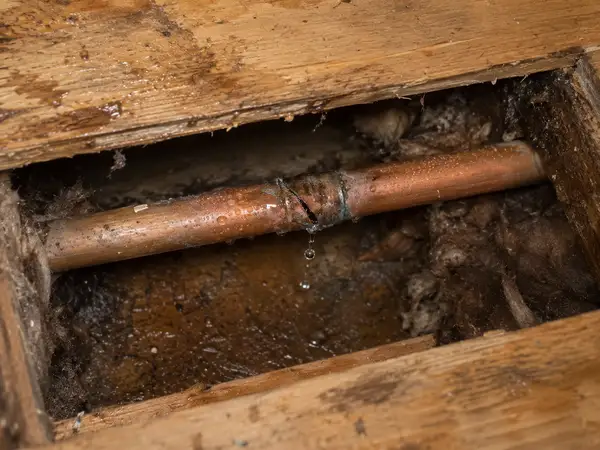
A leaking pipe is one of the most common household plumbing problems in the UK. While some leaks are minor drips under a kitchen sink, others can cause serious water damage behind walls, under floors, or inside ceilings. Knowing how plumbers repair leaks, how much repairs cost, and what your insurance may cover can help you act quickly before the damage becomes expensive.
In 2026, the average cost of repairing a leaking pipe in the UK ranges from around £80 for a simple repair to more than £1,000 for major leaks hidden behind walls or beneath floors. The total price depends on how easy the leak is to access, how much damage has been caused, and whether the pipework needs replacing.
What Causes Pipes to Leak?
Leaks can happen for several reasons, including:
- Corrosion in older copper pipes
- Frozen pipes cracking during winter
- Loose joints or fittings
- High water pressure
- Poor installation / nails in walls and floors
- Damaged seals on appliances
- Wear and tear over time
Leaks are common around:
- Boilers
- Radiators
- Washing machines
- Toilets
- Kitchen sinks
- Central heating systems
Sometimes the leak is obvious, but hidden leaks can go unnoticed for weeks or months.
How Does a Plumber Find a Leak?
The first step is identifying exactly where the water is escaping from. For visible leaks, this is usually straightforward. However, hidden leaks often require investigation.
A plumber may:
- Inspect visible pipework
- Check water pressure
- Use moisture meters
- Lift floorboards
- Remove boxing or panels
- Trace damp patches
- Use thermal imaging equipment for hidden leaks
In difficult cases, specialist leak detection engineers may be required.
How a Plumber Repairs a Leaking Pipe
The repair method depends on the severity and location of the leak.
1. Isolating the Water Supply
The plumber will first shut off the water supply to prevent further flooding or damage. This may involve:
- Turning off the mains stopcock
- Isolating an appliance
- Draining pipework
2. Accessing the Pipe
This is often the most time-consuming part of the job.
If the pipe is:
- Under a sink → access is easy
- Behind plasterboard → sections may need removing
- Under flooring → floorboards or tiles may need lifting
- Inside ceilings → ceilings may require cutting open
In many cases, the actual pipe repair is quick, but gaining access causes most of the labour time and damage.
3. Repairing or Replacing the Pipe
Common repair methods include:
Compression Fittings
A plumber may cut out the damaged section and install a new fitting.
Soldered Copper Repairs
Traditional copper pipes may be soldered using heat and flux.
Push-Fit Connectors
Modern repairs often use push-fit fittings because they are quicker and reliable.
Pipe Replacement
If the pipe is heavily corroded or split, the damaged section may need fully replacing.
4. Testing the Repair
Once repaired, the plumber will:
- Turn the water back on
- Check for further leaks
- Test water pressure
- Ensure appliances work correctly
How Long Does It Take to Fix a Leak?
The repair time depends almost entirely on accessibility.
|
Type of Leak |
Typical Repair Time |
|
Simple visible leak |
30–60 minutes |
|
Under-sink pipe repair |
1–2 hours |
|
Behind-wall leak |
2–6 hours |
|
Under-floor leak |
Half day to full day |
|
Major hidden leak |
1–3 days |
Simple leaks can often be fixed during a single visit. Hidden leaks usually take longer because floors, walls, or ceilings may need opening up first.
What Damage Can a Leak Cause?
Even a small leak can cause significant long-term damage if ignored.
Water Damage
Common problems include:
- Stained ceilings
- Warped flooring
- Damaged plaster
- Rotting wood
- Swollen kitchen units
Water can travel surprisingly far before becoming visible.
Damp and Mould
Persistent moisture encourages mould growth, which can:
- Damage walls and furniture
- Cause unpleasant smells
- Affect indoor air quality
Mould remediation can become expensive if the leak is left unresolved.
Structural Damage
Long-term leaks may weaken:
- Timber joists
- Flooring
- Plasterboard
- Ceiling structures
In severe cases, ceilings can collapse due to water saturation.
Electrical Damage
Leaks near electrics are particularly dangerous and may damage:
- Wiring
- Light fittings
- Fuse boards
- Appliances
Water and electricity together create serious safety risks.
Can Repairing the Leak Cause Damage?
Yes. Ironically, accessing the leak often causes more disruption than the leak itself.
A plumber may need to:
- Remove tiles
- Cut plasterboard
- Lift laminate flooring
- Pull out kitchen units
- Open ceilings
This is especially common with hidden leaks in bathrooms or central heating systems.
For example:
- A £120 pipe repair could require £500–£2,000 worth of redecoration afterwards.
How Much Does It Cost to Repair a Leak?
Simple Leak Repair Costs
These are the cheapest and quickest jobs.
|
Repair Type |
Typical Cost |
|
Tightening fitting |
£80–£120 |
|
Replacing tap connector |
£90–£150 |
|
Under-sink pipe repair |
£100–£180 |
|
Appliance hose replacement |
£80–£140 |
Most plumbers charge:
- £50–£100 per hour
- Minimum callout fees of £80–£150
Simple repairs usually take less than an hour.
Difficult-to-Reach Leak Costs
More complex leaks can become expensive due to labour and access work.
|
Repair Type |
Typical Cost |
|
Behind-wall leak |
£250–£800 |
|
Under-floor leak |
£300–£1,200 |
|
Ceiling leak repair |
£400–£1,500 |
|
Central heating pipe replacement |
£500–£2,000+ |
The final cost often includes:
- Plumbing labour
- Leak detection
- Carpentry
- Tiling
- Plastering
- Decorating
Emergency Leak Repair Costs
Emergency plumbers usually charge higher rates:
- Evening/weekend callouts: £120–£250+
- Emergency hourly rates: £80–£150+
If the leak is causing active flooding, emergency attendance is often necessary.
What Does House Insurance Cover?
This is one of the most misunderstood parts of plumbing leaks.
Most UK House Insurance Covers:
- Resulting water damage
- Damaged ceilings
- Damaged flooring
- Furniture damage
- Decorations affected by escape of water
This is usually called:
- “Escape of water cover”
What Insurance Often Does NOT Cover
Many policies do not cover:
- The actual leaking pipe repair itself
- General wear and tear
- Poor maintenance
- Gradual deterioration
For example:
- Insurance may pay for repairing a damaged ceiling
- But not the £120 pipe fitting that caused the leak
Trace and Access Cover
Some policies include “trace and access” cover.
This helps pay for:
- Finding the leak
- Opening walls/floors
- Access work
Without this cover, homeowners may need to pay separately for locating hidden leaks.
Appliance Leaks
If a washing machine or dishwasher leaks:
- Insurance may cover water damage
- But often not the faulty appliance itself
Extended warranties may help in these situations.
Should You Call a Plumber Immediately?
Yes. Even small leaks can escalate quickly.
Signs you should act immediately:
- Damp smells
- Bubbling paint
- Sudden pressure drops
- Water stains
- Mould growth
- Dripping ceilings
The longer a leak continues, the more expensive the repair usually becomes.
Act Fast and Save Money
Repairing a leaking pipe can range from a quick one-hour fix costing under £100 to a major hidden leak repair involving floors, ceilings, and thousands of pounds in restoration work. In most cases, the actual plumbing repair itself is relatively simple — the real cost often comes from accessing the damaged pipe and repairing surrounding water damage.
For homeowners, the best approach is to:
- Act quickly
- Shut off the water if necessary
- Contact a qualified plumber
- Check your insurance policy for escape-of-water and trace-and-access cover
A fast response can prevent a small plumbing problem from turning into a major structural repair.
 ?>
?>
