Installing a Garden Tap in the UK
Installing a garden tap is one of the simplest and most useful plumbing upgrades you can make to your home. Whether you want to water plants, wash the car, fill a paddling pool, clean patios, or run a pressure washer, an outside tap makes outdoor jobs dramatically easier.
In 2026, garden taps remain one of the cheapest plumbing installations in the UK, with most homeowners paying between £80 and £250 depending on the type of tap, the complexity of the installation, and whether pipework already exists nearby.
This guide explains:
- How garden taps are installed
- Which taps are best
- The most popular garden taps on the UK market
- Installation costs
- How long fitting takes
- What to avoid
Why Install a Garden Tap?
Many UK homes still don’t have an outdoor water supply, especially older terraced and semi-detached properties. Adding one provides instant convenience and saves carrying watering cans or running hoses through windows.
A properly installed outside tap can be used for:
- Watering lawns and plants
- Pressure washing patios and driveways
- Cleaning bikes and cars
- Filling hot tubs or pools
- Running irrigation systems
Garden taps are particularly useful during summer hosepipe use, and modern taps are now designed to be more frost-resistant and durable than older models.
What Type of Garden Tap Should You Buy?
There are two main types of outside tap commonly installed in the UK:
1. Standard Brass Bib Tap
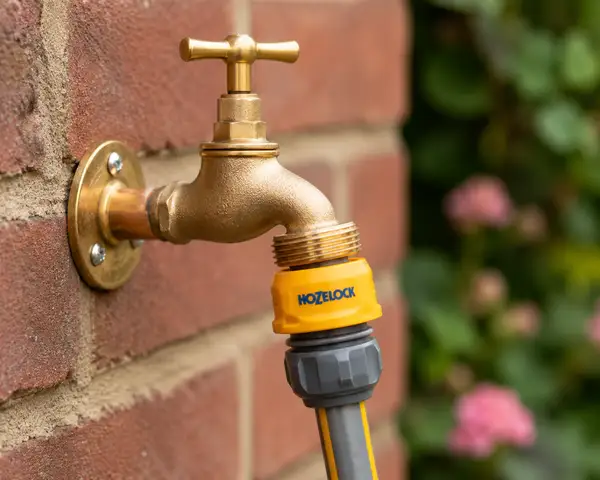
This is the most common and cheapest option. A standard brass bib tap usually has a ½” or ¾” BSP outlet thread, which is compatible with most Hozelock adapters.
Features:
- Solid brass construction
- Standard threaded hose connection
- Wall mounted
- Manual turn handle
Advantages:
- Cheap
- Durable
- Easy to repair
- Compatible with Hozelock fittings
Disadvantages:
- Can freeze in winter
A standard brass tap is suitable for most UK homes and remains the most popular choice overall.
2. Frost-Proof Garden Tap
These taps are designed to prevent freezing during winter.
Features:
- Internal shut-off valve
- Longer stem extending inside wall
- Better protection against burst pipes
Advantages:
- Safer during freezing weather
- Lower risk of leaks
- Longer lifespan
Disadvantages:
- More expensive
- Slightly more complex installation
These are becoming increasingly popular in colder parts of the UK.
What Is the Most Popular Garden Tap in the UK?
The most widely used garden tap fittings in the UK are compatible with the Hozelock hose connector system.
Hozelock-style connectors dominate the UK market because they:
- Easily clip hoses on and off
- Fit most outdoor taps
- Are widely available
- Have replacement parts everywhere
How Is a Garden Tap Installed?
A plumber will usually connect the tap to the nearest cold water pipe inside the property.
The most common installation route is:
- Kitchen sink cold feed
- Utility room plumbing
- Garage water supply
The plumber then:
- Drills through the external wall
- Installs a copper or plastic pipe
- Fits an isolation valve inside
- Connects the outside tap
- Seals around the pipework
Most modern installations also include:
- Double check valve
- Isolation valve
- Drain-off valve
These help meet UK water regulations and reduce the risk of contamination or frost damage.
How Much Does It Cost to Install a Garden Tap?
Average UK Installation Costs (2026)
|
Installation Type |
Typical Cost |
|
Basic installation |
£80–£150 |
|
Standard professional install |
£120–£200 |
|
Frost-proof tap installation |
£180–£300 |
|
Long pipe runs or difficult installs |
£250–£500+ |
What Affects the Cost?
Several things influence installation price:
1. Distance to Water Supply
The closer the cold water pipe is to the outside wall, the cheaper the job.
2. Wall Type
Brick walls are easier than stone or thick rendered walls.
3. Pipe Route
Longer pipe runs increase labour and materials.
4. Frost-Proof Taps
These cost more but offer better long-term protection.
5. Internal Access
Easy access under kitchen sinks reduces labour time significantly.
How Long Does Installation Take?
A straightforward outside tap installation normally takes:
- 1–2 hours for a basic install
- 2–4 hours for more complex work
- Half a day if pipework must be extended
Most plumbers complete the work in a single visit.
Can You Install a Garden Tap Yourself?
DIY installation is possible if you:
- Understand basic plumbing
- Have access to the cold water supply
- Can drill through masonry safely
Many DIY outside tap kits are available for around £25 with instructions, but plumbing knowledge is preferable.
Professional installation is usually recommended because:
- Incorrect fittings can leak
- Frost damage can burst pipes
- Backflow protection is important
- Water regulations must be followed
Poor DIY installs are common, especially where cheap self-cutting kits have been used incorrectly.
Common Problems With Garden Taps
Freezing in Winter
Water expands when frozen and can split pipes.
Solution:
- Use isolation valves
- Drain pipework in winter
- Install frost-proof taps
Leaking Connections
Usually caused by:
- Poor PTFE tape application
- Loose hose connectors
- Cheap fittings
Incorrect Hose Fittings
Most UK outdoor taps use:
- 1/2-inch BSP thread
- Hozelock-compatible connectors
Make sure you buy the right adaptor.
Should You Choose Plastic or Brass?
Brass taps are overwhelmingly preferred in the UK because they:
- Last longer
- Resist weather better
- Are more durable
- Handle frost better
Plastic fittings are cheaper but more prone to cracking over time.
Final Thoughts
Installing a garden tap is one of the most practical and affordable home improvements you can make. For most UK homeowners, the entire job costs between £120 and £200, takes only a few hours, and provides years of convenience.
The most popular setup in 2026 remains a brass wall-mounted outside tap with Hozelock-compatible fittings, as these are reliable, widely supported, and easy to use.
If you want the best long-term option:
- Choose solid brass
- Include a double check valve
- Add an isolation valve indoors
- Consider frost protection
While DIY kits are widely available, professional installation is often worth the small extra cost to ensure leak-free, regulation-compliant pipework that lasts for years.
 ?>
?>
